posted March 24, 2018 #
Delete your facebook.
Reinstall buddytown
posted March 24, 2018 #
NYCers, TAKE NOTE. Go to this opening. It's a small place but these two are wonderful.
posted March 24, 2018 #
you will be terrible at this and you will love it
posted March 24, 2018 #
big fan. looking forward to reading.
posted March 24, 2018 #
i know nothing of this artist but am highly enjoying the teaser
posted March 23, 2018 #
why does every male model on ASOS look like they've just bumped into the girl they've been ghosting https://t.co/sdFsZbiHXL
posted March 23, 2018 #
PACIFIC RIM: UPRISING
DP: Dan Mindel
Director: Steven S. DeKnight https://t.co/2L852ISDmN
posted March 23, 2018 #
The pictures in this article are the most surreal things I've seen in some time: https://t.co/hFyAGLH01u
posted March 23, 2018 #
"you can check out anytime you like, but you can never leave" was written about people quitting facebook and staying on instagram
posted March 23, 2018 #
If you’re angry with Facebook and Zuckerberg and what they and he are doing with your private data, and you feel like you want to confront him about why this happened and are they stupid our something, you don’t have to.
@karaswisher already did.
https://t.co/CUioScb6dB https://t.co/yxHYvQvJ6w
posted March 23, 2018 #
Looking forward to some
yk records announcements coming up and have been busy prepping that. In the meantime, I've been diving deep on that
Heaven's Gate podcast, you should do the same.
Anyway, you're here for the distractions!
- Chiitan Watermelon Attack - I nabbed this off Twitter, so hopefully it doesn't get yanked for copyright violation. Here's what you need to know, Chittan is a Japanese Otter mascot that has given the world of a smattering of hilarious videos featuring nothing but absurd tasks. There's plenty more on the official feed and around YouTube, enjoy the deep dive.
- What Made Me Want to be a Greaser? - a vlog about how "Frosty the Greaser" came to be. I find this endearing and honest but also a nice reminder that I am very happy that I was not a teen when tools like YouTube existed.
- Neil Young - "Wonderin" - 1983 music video from Mr. Young in which he teamed up with The Shocking Pinks and did a little doo-wop. The fashion here is speaking to me.
- That's Alotta Ducks! - a massive swarm of ducks crossing the road. 40 seconds of "say whaaa?" Just enjoy it and don't think about any potential tragic backstory that may be involved.
- Big Game Liquid Slam commercial - I barely remember this 90's commercial but, in hindsight, it really goes too far. ;)
- TALKBOY Extended Commercial - it's amazing how long these commercials used to be and what they got away with.
- Aleatory Music with Farm Implements - here's what I love about this, it's not aleatory music OR farm implements, it's an animation of composed music. It's entertaining but that completely inaccurate title makes it even better.
- Gordon Ramsay's Pizza has Too Much Oil - an untapped resource.
- Grandma Rages - just downright delightful.
Need more? Enjoy this Reddit forum of
horrible haircuts.
posted March 22, 2018 #
I love the ecosystem of bots surrounding the New York Times' vocabulary. @NYT_first_said tweets when the NYT uses a word for the very first time. https://t.co/gj8A0eAWTC
posted March 22, 2018 #
Love a good Chicago deep dish pizza... https://t.co/CS2bf7ET2L
posted March 22, 2018 #
This is what we wanted ABC Disney. THIS IS WHAT WE WANTED. https://t.co/wZv14rtB6V
posted March 22, 2018 #
Cut off a foot of hair. Also, I figured out my next album cover. #yeahyeahyeahs https://t.co/n38m3PKJPM
posted March 22, 2018 #
If you are having a conversation with someone and they look down to check their smartwatch, start talking about something else entirely.
You: How was the movie?
Them: Great, although I thought... [checks watch]
You: And that is why I've always thought Quebec should be liberated.
posted March 22, 2018 #
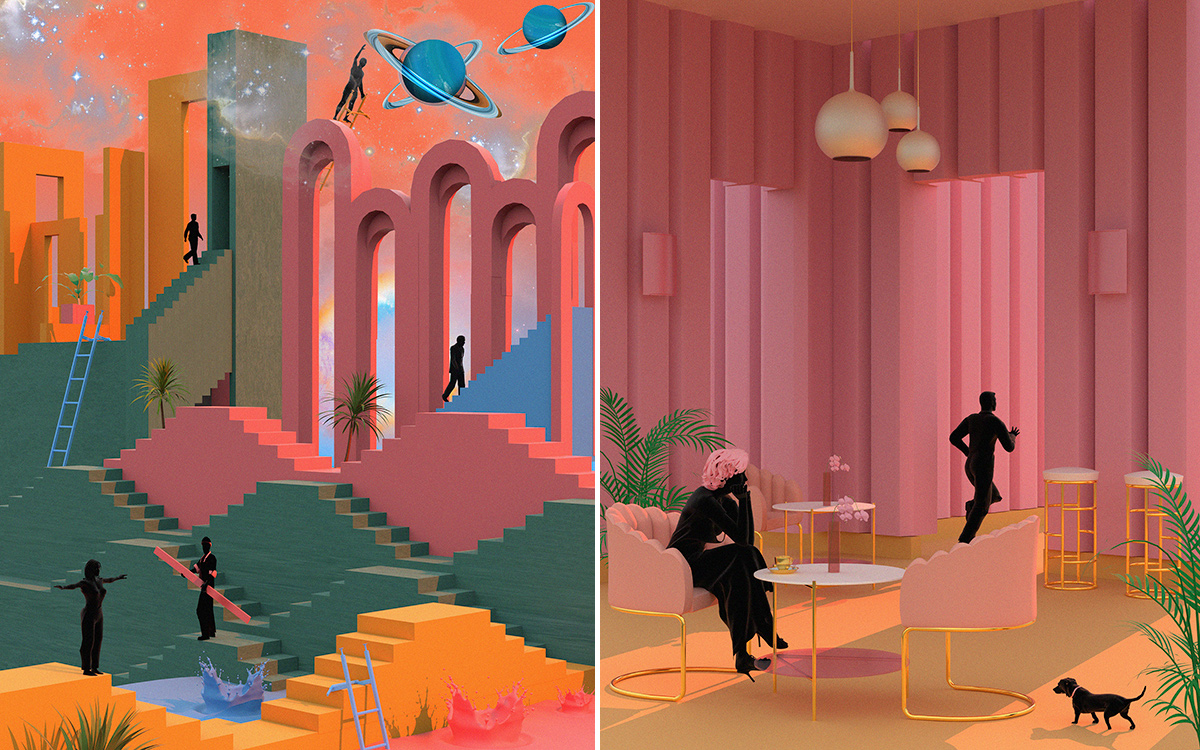
I'm blown away by the entirety body of work from
Tishk Barzanji. The
photography work is compelling but the
Digital and
Mixed Media pieces are mind boggling creations of surreal worlds, insanely detailed textures and various modernism influences. It's not easy to encapsulate with a few images or words but a deep dive will serve you well.
posted March 21, 2018 #
the Parkland teens severely broke conservatives’ brains, and it only made the attacks more vicious.
me, for VICE: https://t.co/RSJLLbdq4C
posted March 21, 2018 #
them: so how's life going?
me: https://t.co/IjovEKPJOF
posted March 21, 2018 #
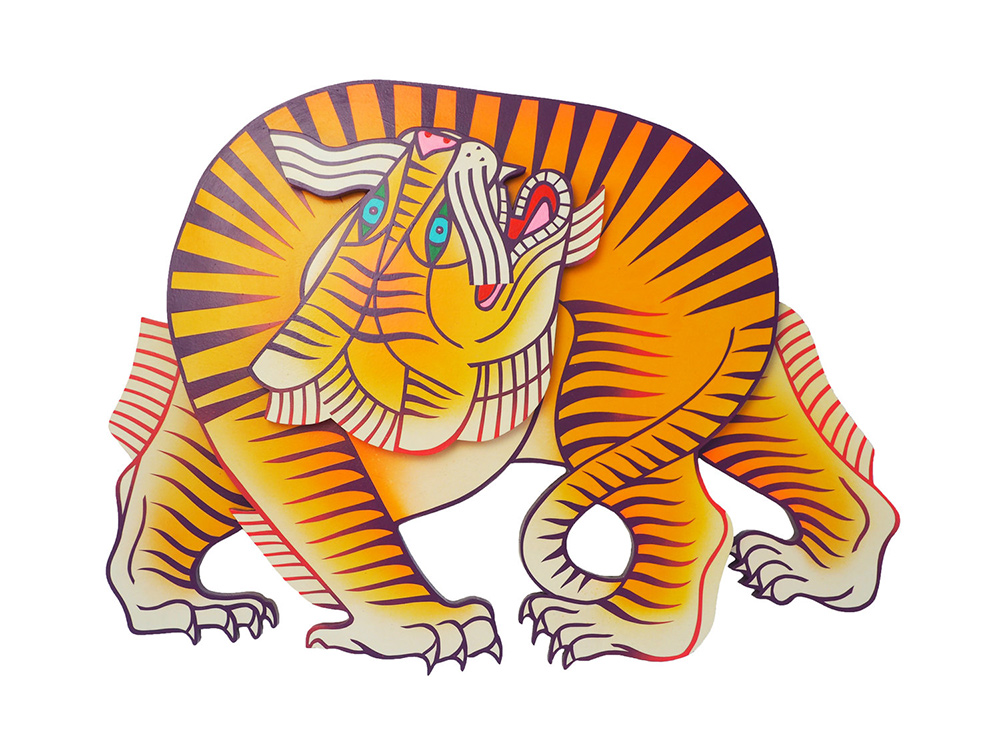
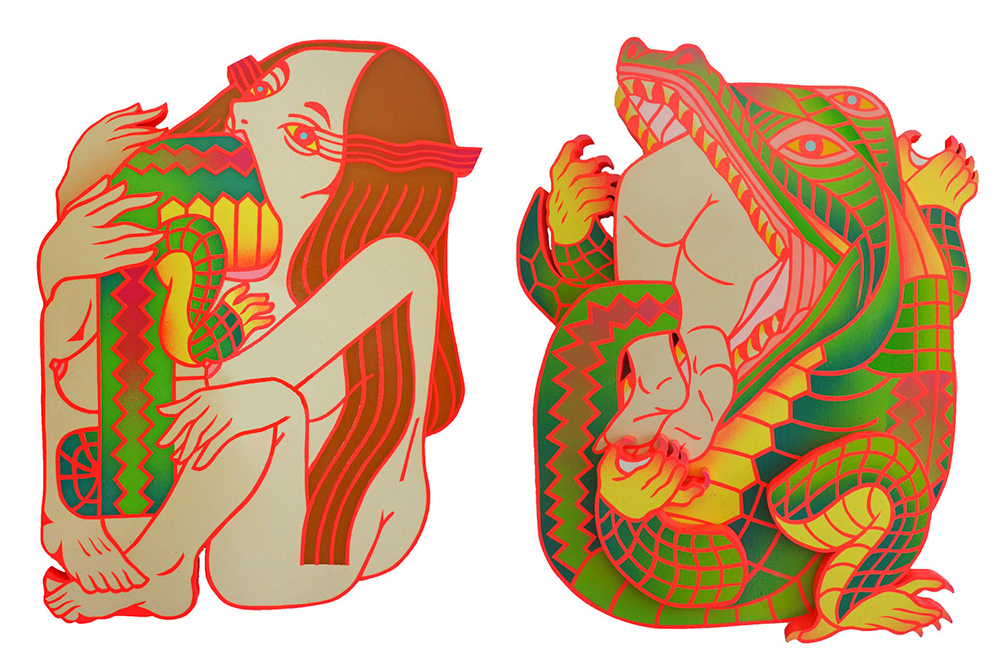
Orlando artist
Boy Kong has a wide variety of paintings and styles but his wood sculptures depicting folklore animals are, to me, the most fascinating. Pieces like
this or
this are hard to look away from and that's just two of them!
Plenty more goodness to see on
his Instagram, his
Gallery rep site or even over on
Stupid Krap.
via
DayWreckers