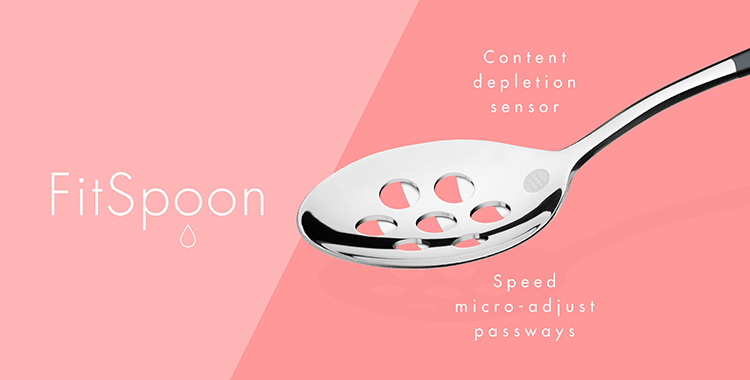
I'll be honest, when I saw The Internet of Useless Things - a repository of terrible ideas including a Self-Regulating Spoon, a Cloud Based Bookmark for physical books and other terrible ideas - I was pretty excited. It's snarky but a nice way to showcase some dumb ideas.
But, turns out, the site is actually quite educational and goes on to explain what makes a thing less than useless - principles to help you create smarter, more friendly devices and products. A well played lesson from +RehabStudio.
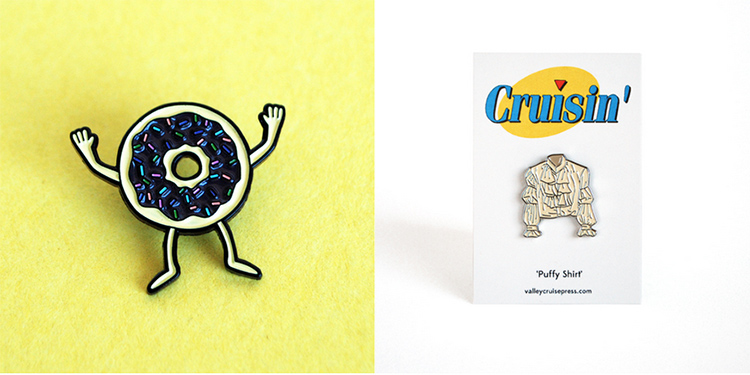
I've been on a bit of a pin kick recently and the offerings from Valley Cruise Press caught my eye. They're likely best known for their Gangsta Doodle coloring books but these pins should not be overlooked. I'm eyeing this Donut Friend and Chill Coozy. Can't have too much flair, right?
Pretty fascinating long read on the Reincarnation of Bell Labs - specifically, the headquarters in Holmdel, NJ that housed some of the greatest scientific discoveries of the past 100 years (i.e. background radiation). The article title is a bit misleading in that its not about Alcatel-Lucent deciding to re-establish the discovery center as a place of modern insight but, rather, the slow process of turning it into an "urban development" with retail stores and plenty of residential spaces.
On the whole, its kind of a sad story. Bell Labs is still a fascinating and wonderful thing to me but these kinds of new developments are happening all over the country. Maybe it's not a technological center for creation that's the center of the story but it's becoming a familiar tale. What lesson is there to glean from this? I'm not really even sure... but it's worth pondering for a few moments to say the least.
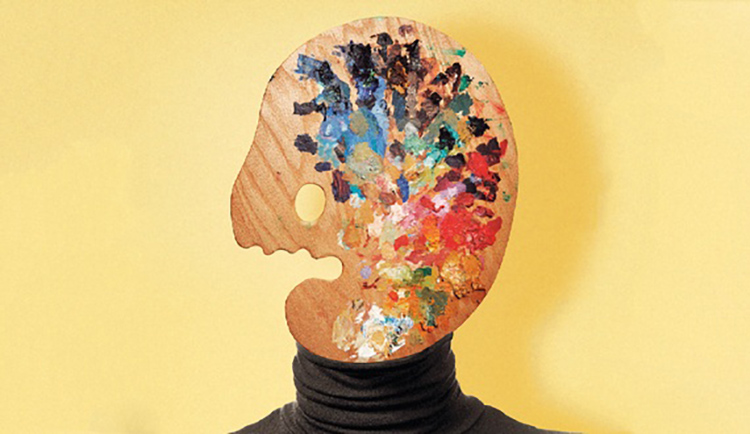
Please take the time to read the entirety of this fascinating piece from The Atlantic - "The Death of the Artist - and the Birth of the Creative Entrepreneur." It covers a nice bit of history regarding the term "artist" and how society changed over time to revere the term as less of a craftsperson and more of a higher thinking privilege of expression.
The more engaging aspect of the article is the idea that the current definition as we think of it is certainly dying and being replaced with more of a practical Creative Entrepreneur. It sounds loaded with buzz words but it makes sense - it's not enough to make the work, you must work the audience as well.
Creative entrepreneurship, to start with what is most apparent, is far more interactive, at least in terms of how we understand the word today, than the model of the artist-as-genius, turning his back on the world, and even than the model of the artist as professional, operating within a relatively small and stable set of relationships. The operative concept today is the network, along with the verb that goes with it, networking. A Gen-X graphic-artist friend has told me that the young designers she meets are no longer interested in putting in their 10,000 hours. One reason may be that they recognize that 10,000 hours is less important now than 10,000 contacts.
Much of that sounds at odds with being an 'artist' but it's part of the changing nature of the word. Maybe it's always been this way - it's Who You Know not What You Know, right? But I think the nature of the Internet is really pushing that notion further, for better or worse.
Will the definition of "artist" be pushed further into the misunderstood loner or will we begin to think of an artist as someone who truly understands The Hustle and actually connecting with an audience? And by that I don't mean tweeting and posting at an audience, I mean actually being the head of a community. I think it's more likely than not.
Two incredible pixel animations - Paul Robertson and Ivan Dixon - have combined forces to create Simpsons Pixels, an 8-bit style tribute to the infamous opening sequence. The overall vibe is great but, obviously, the couch gag is the absolute best part. Perfect Robertson insanity.
Love the Jeremy Dower soundtrack and tons of quick background gags, just like a good Simpsons intro should be.
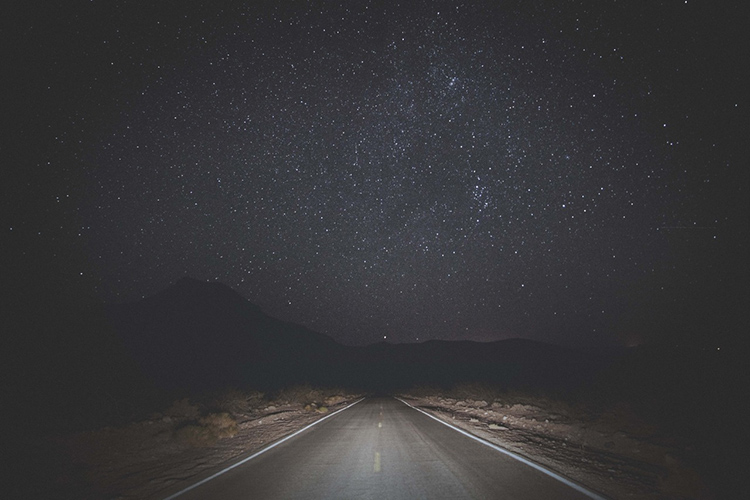
Much of the photography work of Reuben Wu feels heavily post-processed. Some have unbelievable vivid colors and many have an otherworldness to them that is.. well.. alien.I really have a hard time believing these aren't heavily post processed but maybe it's a healthy mix? In the end, it doesn't really matter but I would be curious to know how much is real and how much is not.
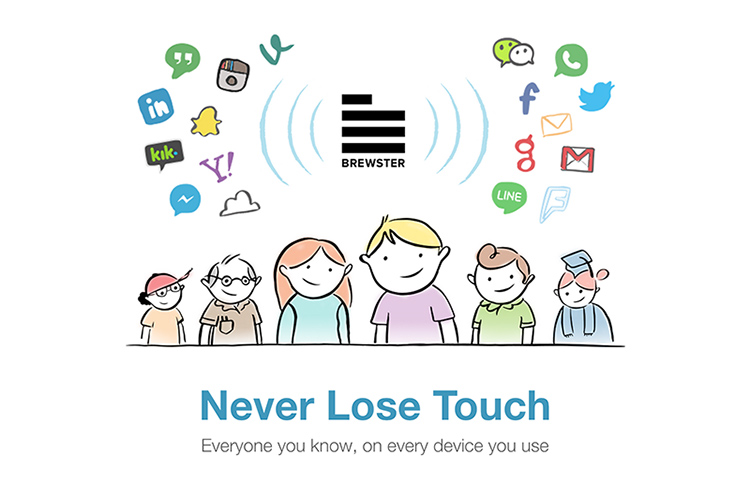
Been receiving a good bit of confirmation emails from new users of Brewster - a new solution for storing all your contacts from across the web - Instagram, Vine, Google, Facebook, Twitter, etc. etc. etc. - all in one cloud application sync'ed across devices. I find that my Apple Contacts is too thin and Google Address Book is bloated from years of accidental autosave. I need a refresh and seems like Brewster is doing a good job of it. Can't hurt to give it a spin, right?