I've watched that gif for a solid ten minutes. Never gets old.
Bullshit! - I try to keep things light for Friday videos but this is a nice short piece on the power of Bullshit and how it's more dangerous than flat out lying.
Nidhogg 2 Launch Trailer - if you never played Nidhogg, find a way to treat yourself this weekend. It's great. I'm on the fence about the style of the new version but I imagine the gameplay is just as fun.
Spent the morning perusing the site for Essential, the new company from Andy Rubin (previous CEO of Android Inc). The company's mission is admirable - create high class devices with all the craftsmanship you already expect but with an eye on interoperability. Devices should play nicely together and not become technologically obsolete just because. The Why I Started This article from Rubin himself directly states "Devices shouldn’t become outdated every year. They should evolve with you."
The hardware is a full edge-to-edge screen, really nice camera, vanilla Android with no bloatware and an eye on accessories that are, hopefully, future proofed. Sounds great but there are plenty of dissenting voices that say it fails to solve the one problem all the other phones have, you can't replace any of the parts. If the battery dies, good luck opening it up and putting in a new one because that isn't part of the evolution they have in mind.
It's a bit of an unfair comparison because none of the major phones on the market have replaceable batteries and I'm sure there is a reason for that other than planned obsolescence. Regardless of the gripes, it's nice to have another option out there. Yes, it's still iOS vs Android but at least there's a big player in there that just might have the ability to change the way phones are thought about in terms of their longevity. And that's a good thing.
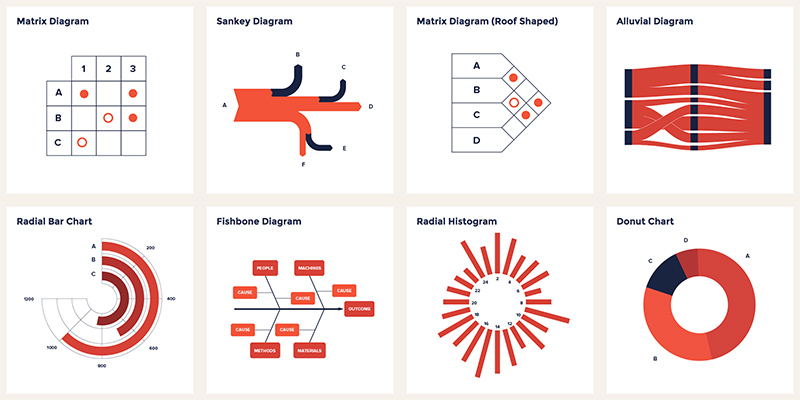
I'm barely a novice in the realm of data visualization but I do know that I enjoy this Data Viz Project from ferdio (an infographic company). There's something compelling about the playfulness and simplicity of the graphics that makes it more intriguing to parse the information out of them. Maybe that's just me but I've stared at my fair share of boring Google Sheets diagrams and this certainly seems better.
Long story short, here's a bunch of charts and graphs that are well designed and maybe, just maybe, will become a toolbox for actual real world usage someday.
TLDR: I found some new ambient music that's really doing it for me - go listen.
While doing some research on Haruomi Hosono, I stumbled upon Japanese artist and musician Hiroshi Yoshimura. His 1982 album Music for Nine Postcards is a minimal and ambient piece of work that was part an "environmental music series" by Satoshi Ashikawa called "Wave Notation" that sought to create carefully considered pieces of music that quietly filled a space. Ashikawa had this to say of the project. It is a lengthy quote but extremely relevant in these modern times:
'Sound design' doesn't just mean simply decorating with sounds. The creation of non-sound, a in other words silence, as in a design, if possible, would be wonderful. There's no question that our age - in which we are inundated with sound - is unprecedented in history. The Canadian sound environmentalist and researcher Murray Schafer warns of this state of affairs in the following: "The ear, unlike some other sense organs, is exposed and vulnerable. The eye can be closed at will; the ear is always open. The eye can be focused and pointed at will; the ear picks up all sound right back to the acoustic horizon in all directions. Its only protectionis an elaborate psychological system of filtering Out undesirable sounds in order to concentrate on what is desirable. The eye points outward; the ear draws inward. it would seem reasonable to suppose that as sound sources in the acoustic environment multiply - and they are certainty multiplying today - the ear will become blunted to them and will fail to exercise its individualistic right to demand that insouciant and distracting sounds should be stopped in order that it may concentrate totally on those which truly matter."
We should have a more conscious attitude toward the sounds - other than music - that we listen to. Presently, the levels of sound and music in the environment have clearly exceeded man's capacity to assimilate them, and the audio ecosystem is beginning to fall apart. Background music, which is supposed to create 'atmosphere', is far too excessive. In our present condition, we find that within certain areas and spaces, aspects of visual design are well attended to, but sound design is completely ignored. It is necessary to treat sound and music with the same level of daily need as we treat architecture, interior design, food, or the air we breathe. In any case, the "Wave Notation" series has begun. I hope it will be used and judged for what I had in mind as 'sound design', but of course the listener is free to use it in any way. However, I would hope this music does not become a partner in crime to the flood of sounds and music which inundate us at present.
Yoshimura's Nine Postcards is quiet, peaceful and fills the goal of being absolutely unobtrusive. His 1986 followup, and the subject of this post, is another ambient offering entitled Green, which takes the lessons from the Wave Notation series and builds upon them. The music is quiet and largely unobtrusive but occasionally swells to be heard. Underneath the keyboard driven soundscape are plenty of nature samples - rivers running and crickets chirping - that create an altogether peaceful listening experience.
Really enjoyed the following podcasts. They aren't exactly from unknown publishers but just take some time to indulge in the enjoyment.
Song Exploder - St. Vincent - Annie Clark's creations are always interesting but to hear her talk through the process is even more compelling. She's rather protective of her voice memos but it's nice to get that glimpse inside the initial seed of the song.
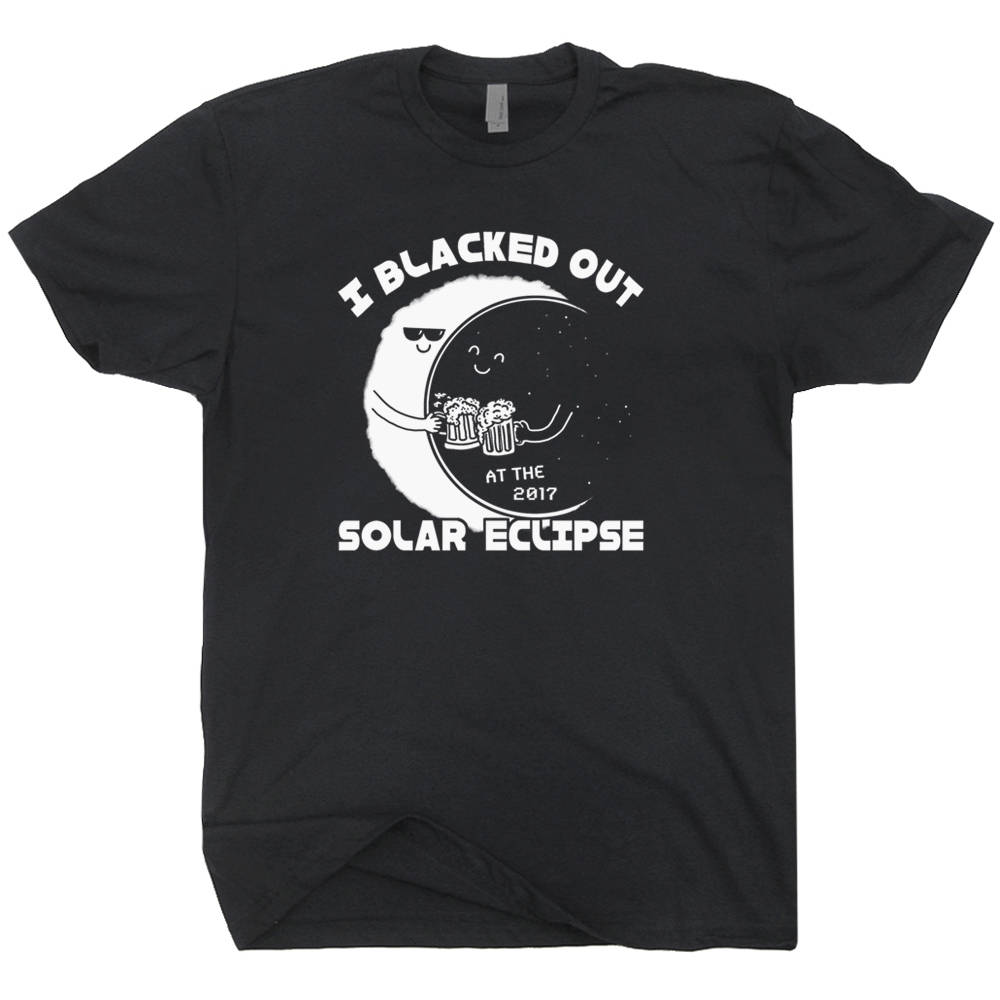
Rapture Chasers - Flora Lichtman investigates "Eclipse Chasers" and the complete euphoria felt when the moon hides the sun in totality. The audio of that zenith moment is really something else. I hope we can all experience that kind of goodness on August 21st.
Oh, and Part II of the Reply All Call Center journey has been posted, so don't miss that either.
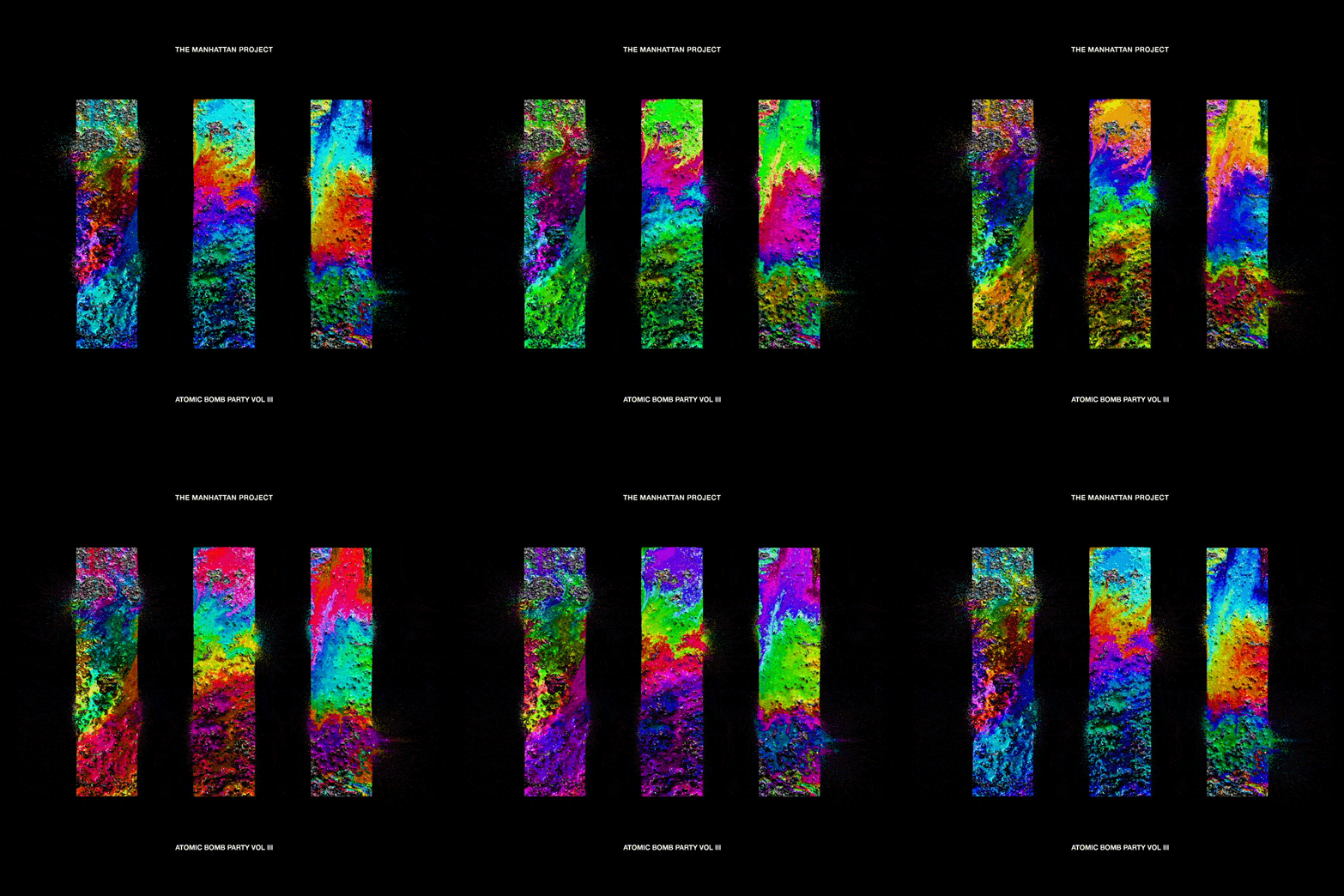
The work of Joe Perez is likely best known for his involvement in Donda, the agency that Kanye West started for his creative endeavors. The Yeezus logos and album design are certainly known entities to the general zeitgeist. Fortunately, there's such a riveting body of work beyond that as well. It's hard not to pore over the Manhattan Project cover or the King Push or High Times for Low Lives art. For much of it, there's an impressive blending of surprising styles.